
The Reality of Temporary Cold Storage: Inflatables vs. Modular Units
When your business requires temporary cold storage, the choice between inflatable cold rooms and modular refrigeration units is not merely a matter of convenience—it is a critical decision regarding operational continuity. While inflatable units are often marketed as a quick, low-cost fix for short-term needs, they frequently fall short of the rigorous demands required by professional catering, pharmaceutical, or food manufacturing environments.
In contrast, modular cold storage provides a robust, engineered solution designed to withstand the pressures of high-volume usage. While inflatables may seem tempting for their portability, they lack the structural integrity required to maintain consistent temperatures under load. For any business where product loss equates to significant financial damage or public health risk, modular units offer the only reliable path forward. Choosing between these options requires a clear understanding of the risks associated with soft-walled equipment versus the performance-driven stability of hard-walled modular systems.
Why Reliability Matters for Your Business
In the world of commercial refrigeration, reliability is the thin line between a successful event and a logistical disaster. If a cooling system fails, the stakes are immediate: thousands of pounds in spoiled stock, non-compliance with health and safety regulations, and potential reputational harm. Inflatable systems are inherently prone to power fluctuations, fan failures, and insulation degradation. By opting for professional modular units, you are not just renting equipment; you are investing in peace of mind. A reliable cold chain is the backbone of your operations, and entrusting that to anything less than industry-standard modular hardware is a gamble no business should be willing to take.
Limitations of Inflatable Cold Rooms
Inflatable cold rooms are often chosen for their ease of deployment, but this convenience hides significant structural and functional flaws. Understanding these limitations is essential before finalizing your rental strategy:
- Puncture Vulnerability: Unlike solid panels, soft-walled units are highly susceptible to tears and punctures from equipment, pallets, or even harsh weather conditions. A single breach compromises the entire thermal seal.
- Insufficient Insulation: The R-value of inflatable materials rarely matches the performance of high-density insulated panels found in modular units. This leads to longer compressor run times and higher energy consumption.
- Poor Thermal Recovery: When a door is opened during a busy service, an inflatable unit struggles to recover the set temperature, risking the integrity of stored goods.
- Hygiene Challenges: The textured, flexible surfaces of inflatables are notoriously difficult to sanitize to the standards required for food safety and medical storage.
- Lack of Security: Soft walls offer zero protection against physical tampering or theft, making them unsuitable for high-value inventory.
Structural Vulnerabilities and Security Risks
The primary weakness of the inflatable model lies in its inability to create a secure, airtight envelope. Because these units rely on air pressure to maintain their shape, any failure in the blower system results in a collapse of the structure. Furthermore, from a security standpoint, they are essentially “soft targets.” In environments like festivals or public events, the ability to lock down your stock is paramount. Inflatable walls do not provide the physical barrier necessary to prevent unauthorized access, whereas modular units feature steel-reinforced doors and secure locking mechanisms, ensuring your inventory remains protected 24/7.
The Wessex Advantage: Why Modular Refrigeration Wins
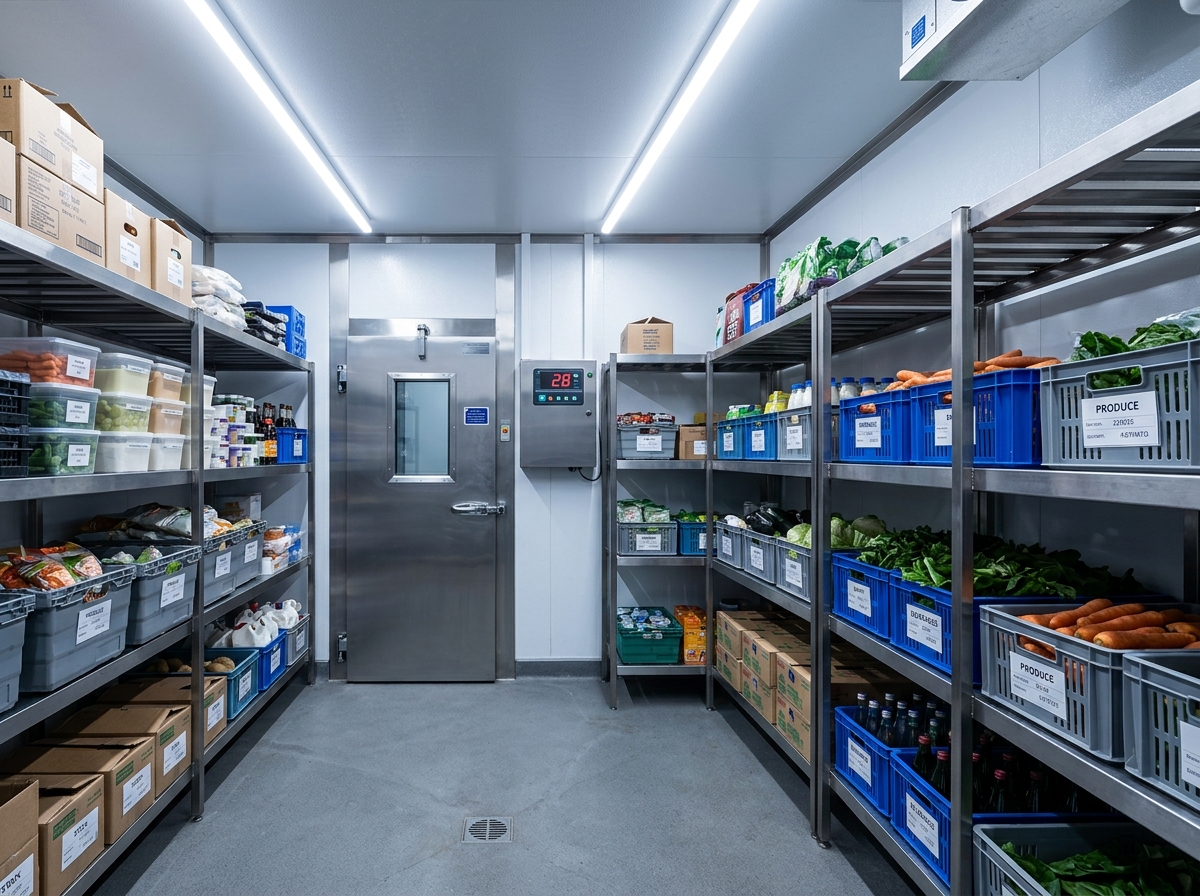
At Wessex Refrigeration Hire, we believe that professional standards should never be compromised for the sake of portability. Our modular refrigeration units are engineered for high performance, providing a stable, secure, and hygienic environment that outperforms inflatable alternatives in every critical metric. By utilizing durable, insulated panels, we ensure that your goods remain at the precise temperature required, regardless of the external environment.
Our modular units are designed for rapid deployment without sacrificing structural integrity. Whether you are managing a large-scale festival, a pharmaceutical distribution project, or an overflow requirement for a commercial kitchen, Wessex provides the technical expertise to tailor the solution to your specific site. Our commitment to maintenance and rigorous testing means that when you hire from us, you receive a unit that has been checked for efficiency, seal integrity, and cooling capacity. Choosing Wessex means choosing a partner who understands that your cold chain is non-negotiable. We bridge the gap between temporary needs and permanent-grade performance, ensuring your business remains compliant and productive throughout the duration of your hire.
Precision Temperature Control and Insulation
The technical superiority of modular refrigeration lies in the use of high-density polyurethane foam panels. These panels provide a superior thermal barrier, preventing heat ingress and ensuring the refrigeration unit operates at optimal efficiency. Unlike inflatable units, which can suffer from “hot spots” due to uneven airflow, modular units are designed with optimized internal air circulation. This ensures that every corner of the room maintains the exact temperature set-point, which is essential for meeting the strict requirements of HACCP and other industry-specific cooling standards.
Compliance, Safety, and Extreme Weather Performance
In the professional sector, compliance is not optional. Regulatory bodies, including environmental health officers, require strict adherence to temperature-controlled storage standards. Modular units are built to meet these requirements, featuring wipe-clean surfaces, non-slip flooring, and consistent temperature logging capabilities. Inflatable units rarely meet the stringent documentation and hygiene requirements necessary for audit compliance in the food and pharmaceutical industries.
Furthermore, outdoor performance is a major differentiator. Inflatable units are notoriously unstable in high winds and heavy rain, often requiring excessive anchoring or failing entirely during adverse weather. Modular units are built to withstand the elements, providing a stable environment even in the most challenging outdoor conditions. By utilizing professional-grade, weather-resistant materials, these units ensure that your stock is protected from both the heat of the sun and the fluctuations of unpredictable weather.
Meeting Industry Standards for Pharmaceuticals and Food
For industries where precision is life-critical, modular storage is the industry standard for several reasons:
- Validation Ready: Modular units support internal temperature mapping and data logging essential for pharma audits.
- Sanitation Compliance: Hard-walled surfaces are non-porous and resistant to bacterial growth, meeting the highest food safety standards.
- Consistent Airflow: Engineered fan systems ensure uniform cooling, preventing the spoilage of sensitive biological or perishable goods.
Cost-Benefit Analysis: The True Price of Equipment Failure
When analyzing the cost of cold storage, one must look beyond the initial hire price. The “hidden” cost of an inflatable unit often includes the potential loss of stock due to a puncture, the electricity costs of an inefficient cooling cycle, and the labor hours required to manage temperature fluctuations. When you factor in the financial impact of a total system failure, the investment in a high-quality modular unit from Wessex Refrigeration Hire becomes clear. It acts as an insurance policy for your inventory, ensuring that your operations proceed without the risk of costly downtime or public health liabilities.
3 Reasons to Choose Modular Over Inflatable
- Superior Durability: Modular units are puncture-resistant and built to last, handling high-traffic use with ease.
- Enhanced Security: Lockable, steel-panel doors provide genuine protection for your valuable stock.
- Unrivaled Performance: Consistent, reliable temperature control that meets strict regulatory health and safety standards.
Frequently Asked Questions
Are modular cold rooms easy to install on-site?
Yes. Despite their robust construction, modular units are designed for efficient assembly. Our team at Wessex Refrigeration Hire handles the entire delivery and installation process, ensuring your unit is operational with minimal disruption to your site.
Can I use a refrigerated container for food storage?
Absolutely. Refrigerated containers (often referred to as reefers) are an excellent form of modular storage, offering high-grade insulation and powerful cooling, making them ideal for large-scale food manufacturing or event catering.
What is the best alternative to an inflatable cold room?
The best alternative is a panel-built modular cold room. These provide the same flexibility as a temporary solution but with the reliability, security, and insulation of a permanent walk-in freezer or fridge.
Do modular units require special power?
Most modular units are designed to run on standard industrial power supplies. During our consultation, we assess your site requirements to ensure the correct power infrastructure is in place before delivery.
Why is insulation so important for temporary storage?
High-quality insulation reduces the workload on the compressor, lowers electricity costs, and ensures that even if there is a minor power fluctuation, the temperature inside remains stable for longer, protecting your stock from spoilage.
For professional, reliable, and compliant cold storage solutions, contact the team at Wessex Refrigeration Hire today to discuss your specific operational needs.