
When a commercial refrigeration system fails, every minute counts. Whether you are managing a busy hospital pharmacy, a large-scale food manufacturing facility, or a high-pressure catering event, a breakdown threatens both your operational continuity and your bottom line. Immediate action is required to prevent stock spoilage and maintain health and safety compliance.
The first step is to isolate the affected goods. Move perishable items to remaining functional units if possible, and keep doors closed to maintain internal temperatures for as long as possible. Once you have assessed the immediate risk, contact a specialist in emergency freezer rental immediately. Rapid response is the only way to mitigate significant financial loss and ensure that your supply chain remains unbroken.
Assessing Your Capacity Requirements
Before calling a provider, you must accurately define your storage needs to ensure the replacement equipment is fit for purpose. Consider the following factors:
- Total Volume: Calculate the cubic meter capacity required to house your at-risk stock.
- Temperature Range: Determine if you need a chiller (1°C to 8°C) or a freezer (-18°C to -22°C).
- Power Availability: Identify the electrical supply on-site (e.g., 230V single-phase or 400V three-phase).
- Site Access: Measure doorways, loading bays, and ground stability to ensure the unit can be delivered safely.
- Duration: Estimate how long you will need the temporary cold storage to avoid unnecessary costs.
Key Criteria for Selecting an Emergency Rental Provider
Choosing the right partner is critical to your recovery process. At Wessex Refrigeration Hire, we understand that in an emergency, you need more than just a box; you need a fully managed solution. When evaluating providers, prioritize those who demonstrate a proven track record in refrigeration breakdown services. Look for companies that provide end-to-end support—from initial site survey and delivery to installation and remote monitoring—ensuring your business continuity is never compromised.
Response Times and 24/7 Availability
In an emergency, a 9-to-5 service model is insufficient. You need a partner that offers genuine 24/7 availability. Fast response refrigeration hire is defined by the provider’s ability to mobilize equipment outside of standard business hours. Ask potential suppliers about their average deployment times and their geographical reach. A reliable provider should have a fleet ready for immediate dispatch, ensuring that a unit can be on-site and operational before your current inventory reaches its critical temperature threshold.
Equipment Reliability and Maintenance
Modern, well-maintained equipment is the backbone of your emergency plan. Avoid providers who utilize aging, unreliable assets. Instead, verify that the rental fleet is regularly serviced, PAT tested, and equipped with modern digital temperature controllers. High-quality units should feature:
- Temperature Data Logging: Essential for proving compliance during inspections.
- Audible and Visual Alarms: To alert staff immediately if a power fluctuation occurs.
- Energy Efficiency: To minimize operational costs during the rental period.
Industry-Specific Compliance and Standards
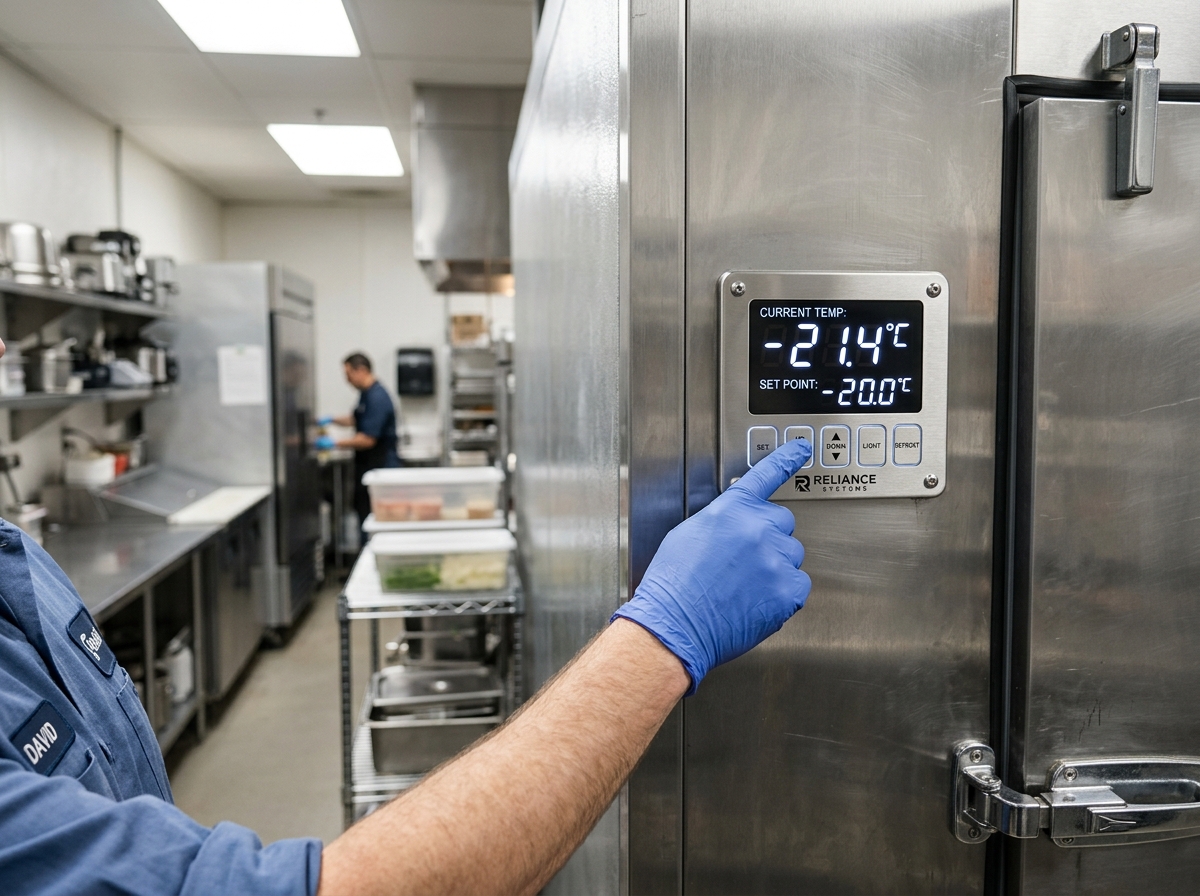
Industries such as pharmaceuticals and food manufacturing operate under strict regulatory frameworks. When selecting a provider, you must ensure their equipment meets the specific standards governing your sector, such as HACCP for food or MHRA guidelines for medical storage.
Meeting Pharma and Food Safety Regulations
Your temporary storage must provide an audit trail to prove that stock has remained within safe parameters throughout the rental period. Ensure your provider offers:
- Calibrated Temperature Sensors: To provide accurate, defensible data.
- Automated Reporting: Systems that generate logs for your quality assurance teams.
- Security Features: Lockable doors and robust construction to protect high-value or sensitive inventory.
- Dedicated Support: Technical staff who understand the specific cooling requirements for sensitive biological or perishable goods.
Rental vs. Repair: Making the Financial Decision
When facing a breakdown, the temptation is often to rush into an expensive, emergency repair. However, a cost-benefit analysis often favors rental. While a repair might take days to source parts, a rental unit can be operational within hours, effectively “pausing” your financial loss. By opting for a professional commercial cold storage hire solution, you stabilize your environment immediately, allowing you to conduct a proper, non-urgent repair on your existing plant without the pressure of a ticking clock.
Understanding Service Level Agreements (SLAs)
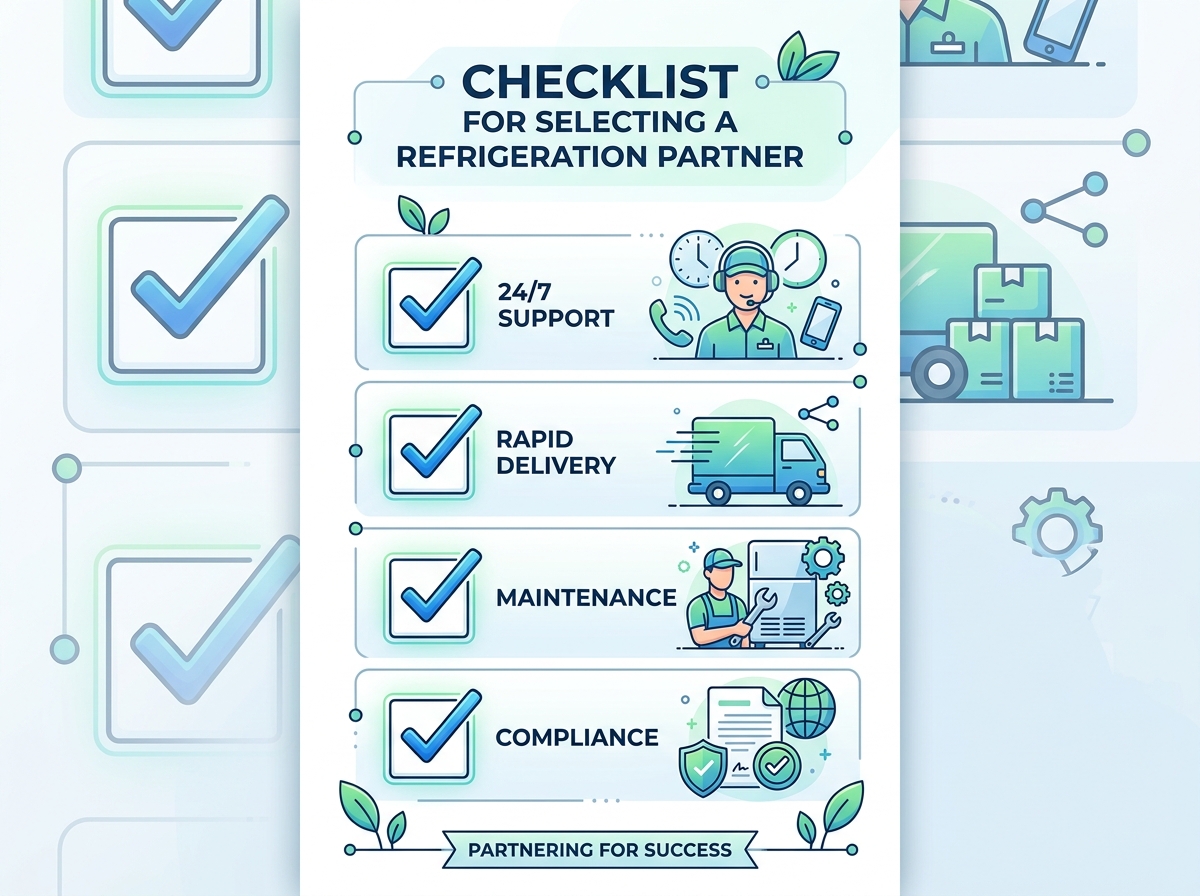
A robust Service Level Agreement (SLA) is your primary protection. Ensure your contract clearly defines the provider’s responsibilities, including response times for technical support, maintenance schedules, and replacement guarantees if the unit malfunctions. A professional provider will be transparent about their liabilities and the support structure they provide. Do not settle for a verbal promise; insist on a written agreement that outlines the specific uptime commitments and the support channels available to you 24/7.
Frequently Asked Questions (FAQ)
How quickly can a freezer unit be deployed?
Professional providers can often deploy units within a matter of hours, depending on your location and the complexity of the installation. At Wessex Refrigeration Hire, we prioritize emergency call-outs to ensure minimal disruption to your operations.
Do you provide power backup for rental units?
Yes, many emergency refrigeration units can be equipped with secondary power solutions or integrated with existing site generators. Always discuss your site’s power infrastructure with the provider during the initial consultation to ensure seamless integration.
Contact Wessex Refrigeration Hire for immediate deployment of high-performance cold storage solutions tailored to your emergency requirements.